Crucial Plumbing Suggestions: Your Definitive Guide to Home Maintenance
Effective home maintenance hinges on a strong understanding of plumbing. Homeowners commonly overlook the intricacies of their plumbing systems, which can result in costly repairs. Identifying common issues, performing regular inspections, and being equipped with essential tools can keep minor problems from escalating. However, knowing when to handle a plumbing issue independently or call in a professional can make all the difference. What important steps should homeowners take to maintain their plumbing remains in peak condition?
Getting to Know Your Plumbing System
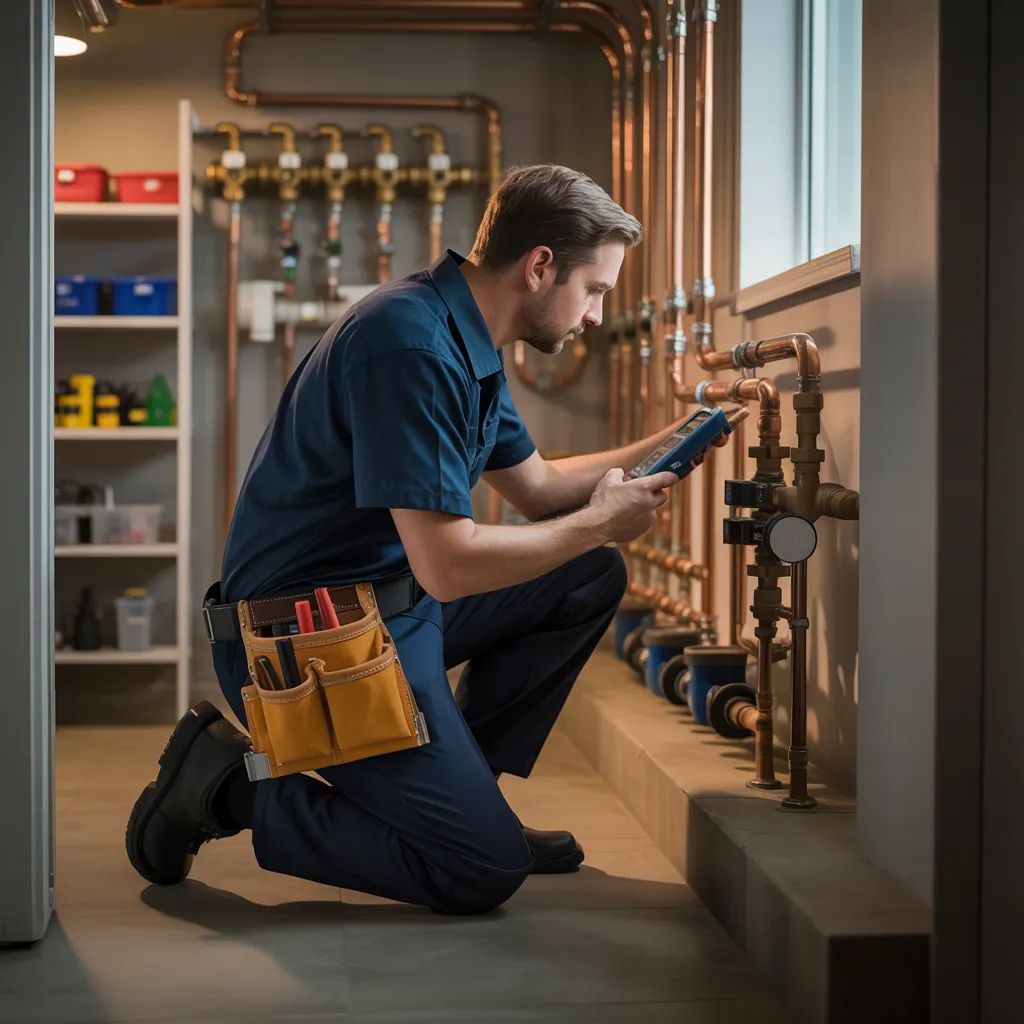
A well-functioning plumbing system is necessary for any home, providing clean water and efficient waste removal. Knowing the components of this system is essential for homeowners. The plumbing system commonly is made up of a network of pipes, fixtures, and appliances that work together to deliver water and remove waste. Key components include supply lines, drainage systems, and vent pipes, each serving a distinct purpose.
Supply lines transport fresh water from the municipal water source or well to fixtures such as faucets, showers, and toilets. Alternatively, drainage systems transport wastewater away from these fixtures to the municipal sewer or septic tank. Vent pipes are vital for permitting air to enter the plumbing system, preventing pressure buildup and ensuring appropriate drainage.
Regular maintenance, such as checking for leaks and inspecting fixtures, is essential for longevity. Knowledge of the plumbing system aids homeowners in identifying issues early, promoting a safe and efficient living environment.
Frequent Plumbing Issues and Remedies
Home residents commonly experience common plumbing issues such as leaking fixtures and obstructed drains. Handling these matters efficiently can avoid additional harm and cut down on repair expenses. Understanding the repair techniques for faucets and the approaches for clearing drains is essential for maintaining a functional plumbing system.
Dripping Tap Fix Techniques
Fixing a leaky faucet can save both water and money while stopping further plumbing problems. The first step in addressing a leak involves determining the faucet type—compression, cartridge, ball, or ceramic disk. Once determined, the appropriate tools, such as a wrench and screwdrivers, should be assembled. The next step is to turn off the water supply and drain any remaining water. Taking apart the faucet carefully will reveal worn washers or O-rings that often cause leaks. Replacing these components typically fixes the concern. After reassembly, it's essential to turn the water supply back on slowly and check for leaks. Regular maintenance can increase the life of faucets and reduce the likelihood of future leaks.
Clogged Drain Cleaning Approaches
Dripping taps and blocked drains are typical plumbing problems that can interfere with everyday activities. Several approaches can be used to tackle blocked drains efficiently. One widely favored technique is employing a plunger, which produces suction to clear blockages. Another method involves a mixture of baking soda and vinegar, which can break down grease and debris when allowed to sit for a period before rinsing with hot water. For persistent clogs, a plumbing snake can reach deeper into pipes to clear blockages. Chemical unclogging products may deliver a fast remedy, but they can be aggressive on pipe systems. Routine upkeep, including installing strainers and refraining from disposing of unsuitable materials, can assist in preventing subsequent blockages and maintain plumbing systems operating efficiently.
Essential Maintenance Tips
While numerous homeowners frequently disregard plumbing until difficulties emerge, establishing regular upkeep can conserve substantial time and costs over time. Periodic checks of pipes and fixtures are vital to spot any evidence of damage or leaks early on. Home occupants should further look for corrosion on exposed piping and confirm that sealants and gaskets stay intact. Purging water heaters on an annual basis can help stop debris buildup, optimizing efficiency and lengthening the unit's operational life.
Additionally, homeowners should regularly clean drains with a mixture of baking soda and vinegar to avert clogs. It is recommended to monitor water pressure also, guaranteeing it keeps within a safe range to avoid excessive stress on plumbing systems. Lastly, maintaining a consistent schedule for these tasks can help create a proactive approach to plumbing care, in the end leading to fewer emergencies and pricey repairs.
Critical Tools Every Homeowner Must Own
A properly stocked toolbox is crucial for each homeowner to address common plumbing tasks efficiently. Essential plumbing tools help avoid minor issues from escalating into costly repairs. Important tools feature an adjustable wrench for securing various plumbing fittings, a plunger for unclogging clogs, and a pipe wrench for fastening and unfastening pipes. A set of screwdrivers, both flat-blade and Phillips, is necessary for tightening and loosening fixtures.
Furthermore, a utility knife is helpful for cutting through different materials, while Teflon tape helps to establish watertight seals on threaded connections. A pipe cutter is beneficial for exact cuts on plumbing pipes. Homeowners should also contemplate having a basin wrench to reach tight spaces, as well as a bucket to catch any drips during repairs. With these essential tools, homeowners can with confidence address many plumbing issues that may occur in their homes.
When to Call a Professional
Recognizing when to contact a professional plumber can keep minor issues from escalating into major problems. Homeowners should be watchful of signs of serious plumbing issues, especially in complex systems that require specialized knowledge. Additionally, considering the time saved by hiring an expert can often exceed the costs of DIY attempts.
Signs of Serious Issues
How might homeowners identify the difference between basic plumbing troubles and severe complications that demand professional help? Key indicators include persistent leaks, water pooling, or unexplained dampness, which may suggest significant pipe damage. Moreover, unusual noises from pipes, such as clanging or bubbling, could indicate air pockets in the plumbing or clogs requiring immediate attention. A dramatic rise in water bills also requires investigation, as it may point to undetected drips or operational shortcomings in the plumbing system. Residents shouldn't disregard sewer odors, which can signal a malfunctioning sewer line. Lastly, if multiple fixtures experience issues simultaneously, this may point to a primary full article infrastructure concern. In such cases, engaging a specialist is vital to prevent further damage and costly repairs.
Complicated Plumbing Systems
Although numerous property owners can handle basic plumbing jobs, understanding when to contact an expert for intricate plumbing systems is essential. Concerns like major pipe leaks, sewer line obstructions, or faulty water heaters frequently demand professional expertise and specialized tools. Furthermore, any indicators of substantial water damage or ongoing drainage issues can signal hidden problems that are most effectively handled by a professional. House owners should additionally assess the age and status of their plumbing systems; old materials may necessitate complete renovations. Undertaking repairs without proper experience can cause more damage and elevated costs. Consequently, recognizing when to pursue professional support not only secures the appropriate resolution of plumbing concerns but also preserves the overall integrity of the residence.
Time-Saving Considerations
Homeowners regularly confront the decision of whether to tackle plumbing issues themselves or seek professional assistance, specifically when time is a factor. In situations where a problem develops rapidly—such as a broken pipe or significant water damage—calling a professional can preserve precious time and prevent extensive damage. Additionally, complex issues like sewer line problems or major installations often require specialized knowledge and tools that homeowners may lack. Understanding personal limitations is vital; attempting substantial repairs without expertise can lead to costly mistakes and prolonged downtime. In the end, knowing when to engage a professional not only provides timely resolution but also delivers peace of mind, allowing homeowners to focus on other essential aspects of home maintenance.
Water Conservation Tips for Your Home
While water is a essential resource, several households overlook simple techniques to conserve it. Adding low-flow fixtures is among the best methods, as these devices dramatically reduce water consumption in faucets, toilets, and showers. In addition, fixing leaks promptly can save gallons of water that would otherwise be used unnecessarily.
One effective strategy involves being mindful of water use during daily activities. Shutting off the faucet while cleaning dishes or brushing teeth can save a surprising amount of water. Gathering rainwater in containers for outdoor use also fosters eco-friendly living.
In addition, homeowners can benefit from employing appliances with efficiency; using dishwashers and washing machines exclusively with full loads lessens unnecessary water consumption. Additionally, landscaping with drought-resistant plants reduces the need for frequent watering, additionally supporting water conservation efforts. By adopting these strategies, households can play an essential role in protecting this essential resource.
Season-by-Season Plumbing Checklists
As the seasons change, it becomes essential to maintain plumbing systems to avert potential problems that can occur from temperature fluctuations and weather conditions. Homeowners should perform seasonal plumbing checklists to ensure systems are functioning properly.
In the spring, it is recommended to examine outdoor faucets and irrigation systems for leaks or damage after winter. Summer checklists should concentrate on checking for clogs in gutters and checking that sump pumps are operational.
As the fall season nears, homeowners should prepare by draining and storing hoses and checking pipes for adequate insulation prior to winter. Winter checklists emphasize watching for frozen pipes, ensuring heat is maintained in exposed areas, and checking water heaters for optimal performance.
Periodically checking these seasonal plumbing tasks can protect homeowners from expensive repairs and boost the longevity of their plumbing systems. Preventive maintenance is vital to a well-functioning household throughout the year.
Your Questions Answered
How Do I Detect a Hidden Leak in My House?
To identify a hidden leak, one should watch water bills for abrupt rises, inspect for moist patches or mold, listen for uncommon water sounds, and check appliances and plumbing fixtures for evidence of moisture.
What Are the Indicators of Aging Plumbing Pipes?
Symptoms of aging plumbing pipes include persistent leaks, color changes of water, low water pressure, rust or corrosion on exposed pipes, and strange sounds like banging or gurgling. Property owners should watch for these signs for necessary repairs.
What's the Best Way to Pick the Right Plumber for My Needs?
To choose the right plumber, it's important to review credentials, read reviews, assess quotes, and seek recommendations. Confirming the professional is licensed, insured, and experienced in particular plumbing matters will ensure better service outcomes.
Can I Use Chemical Drain Cleaners Safely?
Chemical drain cleaners can be used safely if the instructions are followed precisely. Yet, they can harm pipes with repeated use, so alternatives including plungers or specialist help are typically preferred for continuous maintenance needs.
What Plumbing Issues Can I Fix Myself Safely?
Various plumbing issues can be safely fixed by individuals, including malfunctioning faucets, running toilets, and clogged drains. Basic tools, such as wrenches and plungers, can help with these simple repairs without needing professional assistance.